~

Tag: Business Performance

  • Another satisfied customer!

    Another satisfied customer!

    “It was a pleasure!” These were the words of Torre Fashion Group CEO, during the formal delivery of the multi-channel support solution developed by Sollogica.

    Torre S.A. is a reference at European level in men’s ceremonial and formal clothing, with recognized tradition and experience in the sector, standing out for its strong commitment to national design, planning and production. With the goal of improving customer service processes, Torre invited Sollogica to present a proposal in order to satisfy the presented requirements.

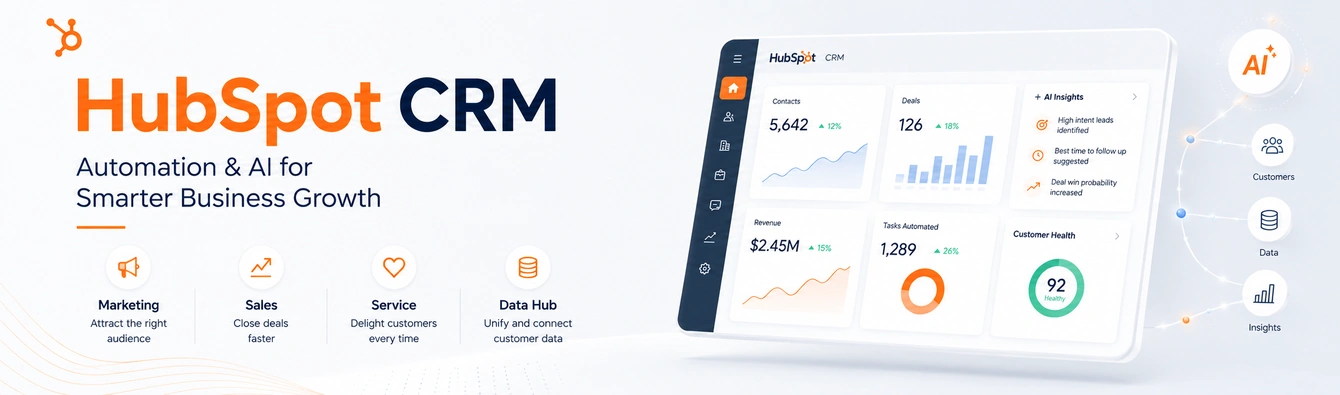
    With the dedication and commitment that characterizes us, Sollogica’s proposal, based on the Hubspot and Aircall platforms, stood out from the competition, and through the centralization of customer information, process standardization, production of analytical information and support channels improvements, quickly turned into a successful project. In the words of Gonçalo Soares, CEO of Torre SA:

    “The partnership established with Sollogica… was a highly positive process at all levels: Technical, Collaborative, and above all in the Implementation component…

    At the technical level, we found in Sollogica the partner that provided us with a clearer picture of the path we wanted and needed, making it possible to analyze the several possibilities in an uncompromising way with the final solution. There is a permanent concern of adapting the solution to the customer’s needs, in a uninterested way, something that reinforced the context of trust that was established from the beginning.

    I speak of the Collaborative Capacity, for the positive and creative approach to the problems / situations that were successively presented, and which was always able to respond to. Balanced solutions were found for the challenges presented. Creative solutions and always with the economic angle in mind.

    Finally, in terms of Implementation, there’s nothing better than saying that the objectives we set ourselves at the start of the project were successfully met and all the project’s Stakeholders, including myself, were satisfied.”

    On our part, we can thank all the dedication and commitment Torre team provided throughout the several stages of the project, as this close collaboration was one of the key elements for its success.

  • Customer Experience Management

    Customer Experience Management

    After detailing the foundations of this subject in the article customer relationship management, in this article we will look into customer experience management, and how this evolution translates into a new level of knowledge about the business and it’s customers, in order to translate this knowledge into added value for organizations.

    What is customer experience management

    The general definition of customer experience management, known by the acronyms CEM ou CXM, is the collection of processes that an organization uses to organize, track and follow all interactions between a customer and the business throughout the customer lifecycle. These collections of processes, in turn, aim to achieve or exceed customer expectations, in order to increase customer satisfaction and loyalty.

    In a competitive global market, where the consumers have an increasing ability to choose between products and services, organizations need to innovate to stand out from the competition. One of the currently most popular ways to stand out, is through the optimization of all contact points between the business and the customer, ensuring an optimal experience from the first contact to its conclusion.

    This optimal experience is not only intended to build customer loyalty, but also to transform the customer into an advocate for the product, brand or service, influencing in a positive way people or entities around them.

    Just like it’s predecessor, CXM is not a technological solution or a category of softwares, but a business strategy that consists on a set of processes, based on qualified and standardized customer data, activated by information technologies, therefore the steps to be taken for a successful implementation involve defining the strategy, aligning it with business processes and subsequently identifying the technologies that will ensure the acquisition and qualification of key information.

    Above all, the strategy foundations must be based on the added value intended for the organization’s processes.

    customer satisfaction

    Strategic framework

    Excellence yes, but excellence in what sense? Easier, faster, better looking, better? The characteristics of an optimal customer experience will vary depending on the customer’s expectations, together with the specifics of each product, service or business area, so the first question to consider is: “given the characteristics of the business, what is the direction that best meets customer expectations and strategy objectives”.

    In addition to defining a path, one of the crucial goals of this stage is to avoid a “better in every way” approach, something that, in addition to being utopian, will certainly be fruitless given its overly generic scope.

    Customer Journeys

    customer experience

    The second step to take involves the mapping of all customer journeys, which means identifying all interaction points between a customer and your business throughout the customer lifecycle.

    What are the entry points into your business? What actions are taken from consideration to purchase? And what steps are made after closing the deal?

    Every action involving customer interaction must be identified, monitored and optimized, in order to provide an experience that stands out in a positive way, enhancing the loyalty and promotion of your business through your customers and improving the business profitability in return.

    This step will allow to identify which business processes are involved in the different customer journeys and where/how they interact with the journeys, which allow to to transition into the technological aspects of the strategy.

    Technological framework

    With the strategy and mappings ensured, it’s now possible to identify the technological solutions that allow to complement the previous points, in order to monitor and optimize the different stages of the customer journey.

    As mentioned before, there’s not a “one size fits all” solution, since the business characteristics in conjunction with customer’s expectations and the chosen strategy will define which solutions are a best fit.

    In a general way, the technological approach must cover the following areas, at the core of the customer facing processes:

    • The promotion of the business, brand and / or products on the defined channels
    • Content Marketing and digital channels management
    • Communication automation at the several levels of the business lifecycle
    • Monitoring and optimization of commercial activities such as events, outbound calling or 1-to-1 meetings
    • Customer service management
    • And finally as an aggregation point of all previous bullets, customer data management and KPI generation

    Hopefully this article will provide a succinct but detailed look at customer experience management and the main steps for its implementation. As always, If you have any questions or want more information about these subjects, reach us through the available channels.

  • Customer Relationship Management

    Customer Relationship Management

    A popular and efficient strategy throughout the years, customer relationship management is a step towards knowing better your potential or existing customers, through a set of processes and technological solutions, implemented mainly in the areas that directly interact with the customer, such as marketing, sales, and support.

    Currently this concept has evolved a new level called Customer Experience Management, which deepens the originally defined concepts to obtain an even more detailed level of knowledge of your customer and business, through the creation of “Customer Journeys” for example. However, to achieve this level of detail, it’s first necessary to understand and implement the foundations that stem from the original concept of customer relationship management.

    CRM is not a tool or software, but a business strategy that integrates internal processes and external networks to generate added value for potential or existing customers. It is based on qualified and standardized customer data, activated by information technologies, hence its natural association with technological solutions and the category of software called with this acronym.

    However, it’s crucial to understand that achieving results through customer relationship management is not only ensured by technology, but through a business strategy that combines both processes and technology to achieve it’s goals.

    There are three strands of CRM that we list below:

    Customer-oriented business strategy from where the term customer-centric comes from, that aims to gain and retain profitable customers by generating increased value in relation to its competitors.

    Centered on automating processes in areas that interact directly with the customer, such as Marketing, Sales or Support, however it can also impact processes in other areas.

    Is the process by which the organization transforms customer and process data into relevant information that improves it’s performance, supporting decision making and process evaluation.

    The combination of these three strands allows the definition in the strategic part, the implementation in the operational part, where the various types of CRM solutions fit to implement the defined processes, such as Marketing automation, sales force automation and service automation, and in the analytical aspect, the evaluation, through solutions that mold base systems information to produce performance indicators, forecast models and other analytical information.

    One of the important steps towards a “customer-centric mindset” is the centralization of customer information, in order to provide a complete vision, consolidating all processes and interactions with the various areas of the organization. This holistic view of the customer is crucial to identify the customer’s evolution, their background in the organization and above all to provide a positive customer experience.

    In this centralization process, the integration of information across the organization’s several systems plays an important role, in order to eliminate information silos that isolate and fragment relevant information.

    Customer relationship management

    As mentioned before, customer relationship management is a business strategy, so the implementation of its customer-facing processes is one of the key aspects of the strategy.

    Campaign management in the case of Marketing, management of leads, contacts and opportunities in Sales, or service level management in the case of Service automation, are examples of processes that should be implemented and periodically revised according to the desired level of optimization.

    The way to monitor process performance will be carried out through the technological solutions implemented for this purpose, whether at operational level, in the case of CRM solutions, marketing automation, or support automation, or through analytical solutions that generate key performance indicators and other relevant aggregated data.

    Whether through the implementation of information systems, or through the optimization of these same systems to reduce the effort in “data-entry” tasks, automation plays a preponderant role in the optimization of business processes.

    The solutions at operational level, such as the aforementioned CRM, marketing automation, or support automation solutions, must ensure that information is integrated, secure, and accessible to the organization’s relevant resources, while ensuring the performance of business processes.

    These systems must also ensure a low effort in data insertion and updates, minimizing the impact that the strategy has on the organization resources. I’ve already written an article on this subject for CRM, that you can consult here.

    Another critical success factor of a CRM strategy is the quality and integrity of the information collected, since performance indicators are the main method to evaluate the success of implemented strategies, and these cannot be obtained through erroneous or missing information .

    Duplicates, redundancies or incorrect data are enemies of a successful CRM strategy, given its crucial importance in assessing the effectiveness of implemented processes, which is why this risk must be mitigated right in the design of the operational systems.

    Automation also has a preponderant role in this area, through the implementation of validation mechanisms and information complements, however one of the most relevant measures to mitigate this risk is in the solutions design phase, anticipating this issue through the type of fields used as well as the validation mechanisms they will have.

    Although this strategy has been known and adopted globally for many years, I hope this article will allow the reader to identify the foundations of CRM, guiding a successful implementation and identifying the most common problems. These foundations are equally important to evolve this concept to its most current versions, such as customer experience management, a topic that I’ll reserve for a next article.

    As always, If you have any questions or want more information about these subjects, contact us through the available channels.

  • How to implement software solutions

    How to implement software solutions

    This is the second part of a series aimed at covering the process of selecting and implementing business software solutions, where this article finishes the selection process and covers the “How to implement software solutions” part, from the customer’s perspective.

    In the last article the selection process was not completed, because the final step is related to implementation aspects that we’re now detailing. Solutions of this dimension require a relevant level of configuration and customization to ensure alignment with business requirements, therefore, how the solution will be implemented, what project methodology will be used, the level of business involvement, and of course the project effort, represent important factors in the choice process.

    At this stage, the functional and business requirements are already identified, the solution is also identified and the selected partners have submitted proposals, therefore is possible to determine the cost and evaluate the proposals.

    Depends on several factors.

    As mentioned in the previous article, the choice of the implementation partner is as important as the choice of the solution, due to the complexity and scope of the enterprise software solutions. The absence of a qualified implementation partner, inability to respond to key requirements or excessive costs are factors that can define the choice between two competing software solutions.

    Other possibilities to resolve limitations at partner level should not be ruled out, however given the purpose of this article it’s important to highlight the impact of the implementing partner on the project’s financial effort, on the quality of the final solution, as well as on the project’s ROI.

    In addition to the most prevalent criteria, such as compliance with requirements, effort and cost, there are other relevant criteria that allow to evaluate the received proposals in greater detail. We’ve highlighted the most relevant ones below:

    What is the cost of the base solution, the cost of the initial implementation, annual corrective maintenance effort, license renewals, training, involvement of internal resources. This level of detail is important to ensure that TCO estimations are not defrauded.

    As already mentioned in the first article, overly simplistic proposals often follow a commercial approach, and will almost certainly need revisions throughout the project. Ensure the implementation plan covers all key aspects with a proper level of detail.

    It may happen that some requirements significantly increase the effort of the project, therefore it’s important to understand from the provided requirements, which ones are easy and difficult to accomplish. A common approach when requesting proposals is asking to identify per requirement, which ones are guaranteed natively by the tool, achieved through customization and if customized what is the level of complexity.

    If you have important business processes reflected in the new software, it becomes necessary to retain knowledge on the implemented solution. This retention of knowledge must be ensured by the partner through contracted maintenance services or by formal knowledge transmission.

    These and several other criteria are difficult to determine if you don’t have the proper knowledge within your organization. If this is the case, it’s recommended to acquire consultancy services from a partner like Sollogica, to assist in the process of selecting and implementing the software, mitigating knowledge risks and providing the necessary expertise to move towards the intended objective.

    After the selection is made, we then proceed to the implementation process, which despite being under the responsibility of the entity hired for the purpose, must be carefully monitored by the client.

    As the internal requirements assessment phase, resources should be allocated to ensure project monitoring, requirements clarification, operational processes detailing, user experience and other necessary aspects before the acceptance phase. The team constitution must be carried out by defining the necessary roles to be involved, followed by the allocation of resources to each role.

    Within the profiles identified there will always be a project sponsor, typically linked to the top management, with the aim of monitoring the overall progress of the implementation, which leads us to the implementation methodology.

    In terms of project management our preference and advice always goes to methodologies based on Agile principles, where Scrum is the most popular but there are others like Kanban.

    Not all projects can be implemented this way, due to project size, specific characteristics of the business area or implementation requirements, however, of all the Agile principles, we highlight two that we consider fundamental to the process of developing and implementing solutions, regardless methodology:

    Satisfy the customer through early and continuous delivery of valuable software

    This is one of the principles that we consider most important in any implementation, given the greater ease in managing expectations and moving towards the proposed goals.

    Welcome changing requirements, even late in development

    Assume that despite the clients work, there are imponderables that increase according to the size and complexity of the project, therefore the ability to make adjustments without compromising the project should be ensured.

    Even if the implementing partner uses another project management approach, at least these two principles should be ensured to properly follow the implementation work, and to provide the ability to react to changes in the project scope. Having mentioned this, our recommendation will always be in the use of Agile methodologies.

    This is one of the most important aspects for the implementation success, since it’s natural to have some resistance to the solution adoption. This resistance will vary depending on the solution scope and areas, the business culture or the level of digital maturity of the organization, however the lack of adoption is a high risk that must be managed.

    To mitigate this risk we highlight the following measures:

    Identify and transmit benefits of change to all affected areas. This transmission can even be done hands-on through preliminary accesses, ensuring that everyone involved can perceive the change benefits.

    Leadership must give the example, assuming the change, getting involved in the process and monitoring the adoption over time to avoid setbacks.

    Key users are not just proactive resources, but should be ambassadors for change within their colleague circles.

    Group culture can generate censorship if an individual who understands the benefits of change is surrounded by non-receptive colleagues. All of the organization networks must be involved to avoid rejection.

    After the acceptance tests, the go-live can be scheduled according to the defined approach, and while taking advantage of the new features and benefits, the next initiatives can be pursued.

    If there are questions about this article, or you require additional information contact us through the available channels.

  • Digital Transformation

    In the first article of this blog I want to focus the topic of Digital Transformation due to its current relevance on society in general and also to provide an overview on the subject, giving people and organizations the opportunity to understand the importance of this topic that is transforming how companies operate, as well as the way people work, relate, acquire goods and services and interact with public and private organizations.

    Digital transformation

    We all heard this buzzword from articles, conferences, senior politicians and business players, but what does Digital Transformation mean?

    “Digital transformation is the strategic adoption of digital technologies, used to improve processes and productivity, offer better experiences for customers and employees, manage business risk and control costs.”

    Covering governments, corporations and also businesses created from scratch, such as the populars Netflix, Uber or AirBnB, the digital transformation points the way for businesses to improve their performance, so necessary in an increasingly competitive global market.

    And if the reader thinks that this is just a trend or that it doesn’t apply in his area, it’s better to look the signs of change:

    Consumer behavior increasingly shows a tendency to use digital tools when looking for a product or service or making a purchase. On the other hand, this increased digital presence offers the possibility of an unprecedented interaction with customers and partners, allowing to increase the visibility, reach and interaction capacity of your business.


    Ilustração descritiva de planeamento

    And where to begin?

    The answer to this question will vary depending on the size of the organization, the company’s business area and the level of digital evolution already reached, however there are several improvements common to the vast majority of organizations and which we detail below.

    I leave a parenthesis here for large organizations, which need to carry out more comprehensive approaches detailing cultural and organizational aspects beyond the operational and procedural aspects. This article on Linkedin allows an overview of the domains of digital transformation at the level of large organizations.

    In operational terms, we present the most popular digital transformation initiatives with proven results regardless of size or business area.

    Digital Presence

    If your business is not present on the web this should be a priority. People must know through the internet: who you are, where you are, what you sell. Essentially your business or organization must be visible on search engines, social networks and other relevant digital spaces.

    From this foundation you can leverage the web presence to other areas depending on the objectives and the type of business:

    Promotion of your business online through initiatives that aim to promote your brand and attract potential customers.

    The digital presence enables an unprecedented level of interaction with your customers and partners, allowing you to improve the customer experience, which in turn will increase customer satisfaction and the perception they have about your business. Leverage this proximity through social networks, forums or support channels.

    Through digital presence you will be able to identify potential customers, developing information and interacting with potential targets through sales development techniques.

    Going Paperless

    Consists of the transition from analog paper processes to digital processes, which in addition to efficiency and standardization gains will ensure the performance and quality of your business processes, given the ease of access, validation and treatment of information in digital systems.

    This is probably the most approached digital transformation initiative, given that it was one of the first themes to be pointed out as an added value in the digitization of companies.

    The first step towards this objective is the correct analysis and definition of business processes, in order to identify the areas and phases of each process that can be transposed to digital formats. In this way it is possible to implement the desired solutions, taking into account the following automation and integration steps.

    Automation

    Like the previous theme to increase the level of automation it’s necessary to identify and define business processes. Starting from this base, it is possible to analyze in detail the phases of each process to fit automation mechanisms that guarantee better efficiency, effectiveness and traceability, allowing to reduce operational costs and increasing productivity.

    Automation solutions are diverse and vary in complexity and cost depending on the size and business area. Which ones will be right for your business will depend on the specific needs and requirements you have, however it’s possible to find automation solutions for all business areas, such as marketing, sales, production, finance and accounting or also generic process automation solutions.

    Integration

    Digitization and automation initiatives produce volumes of information that can and should be analyzed in order to extract knowledge, but these volumes of information, being allocated to specific areas such as individual information silos, create problems of efficiency and redundancy given their isolation.

    Not all information can or should circulate freely through the various areas of the company for business reasons or even legal requirements in specific business areas. In areas such as health or legal areas, information silos are essential for containing confidential information, or setting an example in terms of business restrictions, a human resources area should only share information from a recruitment process when it needs to involve the person in charge of the area to be recruited, or a commercial area only involves production resources when you need to prepare a proposal or respond to specifications.

    It’s in this context that integration systems are a key part in the production of knowledge and in the optimization of business processes, allowing the identification of relevant information for different business areas and sharing it with those who need it, guaranteeing the effectiveness of its employees at the same time as restricts sensitive information and ensures the collection of critical information to assess business performance.

    Analytics

    Through the information collected in the previous processes, you can produce reports and business indicators such as KPI’s that allow you to obtain knowledge from all the information collected. This knowledge will give a more accurate and immediate view of your business, allowing you to identify points of improvement and making decisions with greater security, ensuring a strategic view of your business and allowing you to act in a timely manner to sudden changes or adverse events.

    There are several other possibilities for digital transformation applicable to specific sectors of activity or inherent in the genesis of their own businesses, such as those already mentioned AirBnB, Netflix or Uber. It’s important to note that digital transformation is not just the measures previously identified, but a whole way of defining a business through technology.


    Ilustração descritiva de

    And what risks are involved?

    Changes of significant dimension to the way your business works result in risks that must be managed in order to achieve the intended objectives, however these risks can be safely contained as long as they are identified and controlled.

    Financial

    The risk of embarking on an investment with concerns that can get out of control or that does not translate into returns is something that is present in the mind of any manager, however in view of the evolution of the technological market it is also a risk that has become easily mitigated.

    The expansion and diversification of the information technology market has democratized the offer of products and services, by bringing new subscription models such as Software as a Service, Product as a Service and Hardware as a Service that allow technological investments at very low costs without sacrificing quality or effectiveness.

    In the past, company IT departments grew in order to enable the digital transition, requiring several resources to manage the systems and solutions acquired, however nowadays with the advent of service-oriented cloud-based solutions, investment costs and IT maintenance has become accessible, ensuring functionality and effectiveness without compromising security and privacy.

    Complexity

    As a result of this growing technological adoption that occurs on a global scale by companies and consumers, the speed with which the IT market evolves is fascinating and I understand that often intimidating. At an almost daily pace, new concepts, products and solutions emerge where, especially for people outside the area, it’s difficult to identify whether they can be an asset.

    The key to mitigating this risk is the adoption of knowledge through specialized partnerships. With an experienced and reliable partner like Sollogica it’s possible to deconstruct the complexity of these themes and identify the solutions that best suit the context and timing of your business or organization.

    Change

    Or resistance to change, this is a phenomenon that comes from breaking routines that have been established many times over the years, or also fueling fears in the face of a new and unknown context.

    Most important for the acceptance of changes in the business environment is the involvement of all levels of the organization, especially top management, in order to clearly establish the direction to follow and simultaneously setting an example for the remaining employees.

    Another way to mitigate this risk is to ensure a gradual transition, identifying the critical transition points and ensuring that they are met without causing radical changes in the employees’ daily lives.


    I hope that at the end of this article the reader will have an improved perception on the topic and it’s main initiatives. If you want to know more about the topics included in this article, reach us through the available channels.